
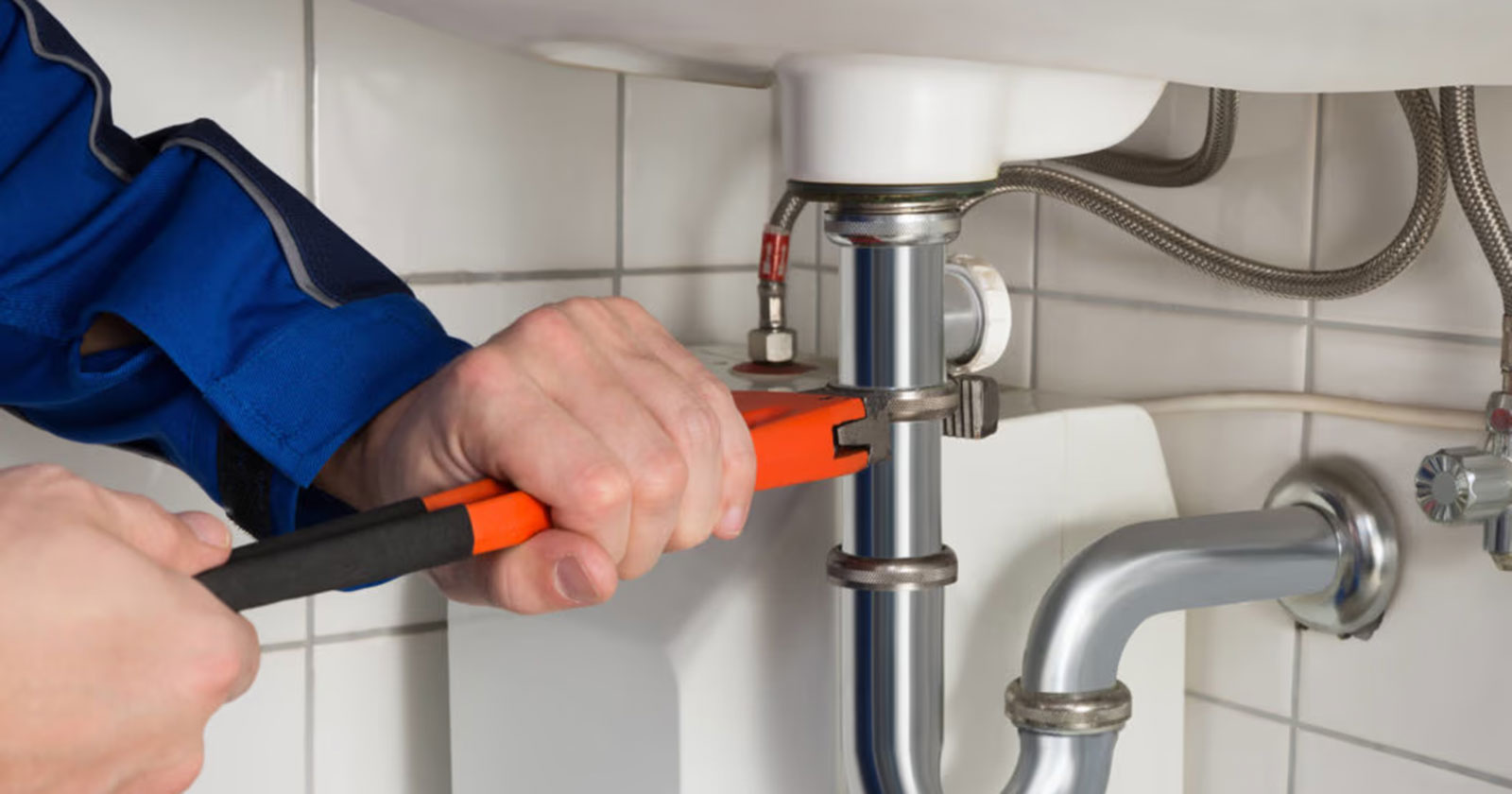
California spells out landlord plumbing responsibilities in Civil Code section 1941.1. A rental can be considered untenantable if it substantially lacks plumbing and gas facilities that met the law when they were installed and are kept in good working order, or a water supply that delivers hot and cold running water to the fixtures and connects to an approved sewer system. In plain terms, the pipes, drains, water heater and sewer have to work.
This is a plumber’s explanation of what the code says, not legal advice. Local rent rules can add more, so talk to a landlord-tenant attorney or your local housing department about anything specific. What we can speak to is the plumbing, and how to keep it out of the dispute in the first place. Our plumbing services for landlords cover everything below.
Landlord Plumbing Responsibilities vs the Tenant’s
The law puts duties on tenants too. Civil Code section 1941.2 says tenants must properly use and operate the plumbing fixtures and keep them as clean and sanitary as their condition allows. It also says the landlord’s duty to repair doesn’t arise when the tenant’s violation of those duties contributes substantially to the problem.
That’s where “who pays for the clogged drain” usually lands. A toilet stopped up by wipes or a kitchen line packed with grease points one way. A main line full of tree roots, or a cast iron drain rotting from the inside, points the other.
Who Pays for a Clogged Drain
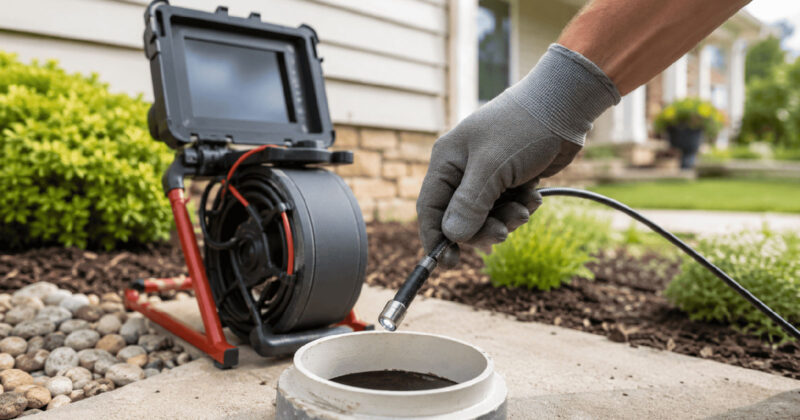
It depends on the cause, and the cause is usually something you can see. When we clear a line, we tell you what came out of it. On a main line, we run a camera and record the footage, so you have a video of roots, a broken pipe, or a wad of wipes.
That record matters. It turns an argument into a fact. We provide photos and a written report on request, which helps with insurance claims and with any conversation about who caused what.
What Happens if Repairs Wait
Tenants have options when a landlord doesn’t act. Under Civil Code section 1942, if a landlord doesn’t make needed repairs within a reasonable time after notice, a tenant may make the repair and deduct the cost from the rent, up to one month’s rent, and no more than twice in any 12-month period. The tenant may also move out instead.
So a slow response to a leaking water heater or a backed-up sewer doesn’t just risk damage. It can mean a repair made by whoever the tenant picks, at a price you didn’t approve.
Give every tenant a one-page sheet at move-in: where the main water shutoff is, where the water heater shutoff is, what never goes down the toilet, and your after-hours number. A tenant who can close the main in two minutes saves you a ceiling.
What Counts as Urgent
The code doesn’t list response times by problem, but some plumbing failures can’t wait until Monday. These are the calls we’d treat as same-day for any rental.
- Sewage backing up into a tub, shower or floor drain. Every flush in the building makes it worse, and raw sewage is a health hazard.
- No hot water in the unit. Hot running water is one of the standards in 1941.1.
- An active leak from a supply line, water heater or pipe, especially one reaching a unit below.
- A gas smell. The tenant should leave the unit, then call SoCalGas at 1-800-427-2200 or 911 from outside, without flipping switches or using a phone inside. Plumbing comes after the gas company says it’s safe.
A dripping faucet or a slow bathroom sink can be scheduled. But a slow drain that turns into a backup at 2 a.m. is how a routine repair turns into a flooded bathroom and an upset tenant, so don’t let small ones sit for months either. Ask tenants to report slow drains and drips early, and make it easy for them to do it.
The Water Heater Strap Rule Applies to Rentals
California’s Health and Safety Code section 19211 requires every residential water heater to be braced, anchored or strapped against earthquakes, and that includes the ones in rentals. The same section says a landlord can’t evict a tenant on the grounds that the eviction is needed to comply with the strap rule. If you own older rentals, walk the units and look. Two straps, fastened to the wall, the lower one clear of the controls.
A Preventive Schedule That Cuts 2 a.m. Calls
Nothing here is required by law. It’s what we’d do if we owned older rentals in LA County.
- Every year, camera and clean the main sewer line on any building with a clay lateral or a history of backups. Roots and grease come back on a schedule. So should the cleaning.
- Every year, look at each water heater for age, rust at the base, a dripping relief valve line, and the straps.
- At every turnover, check toilets for running flappers, test every shutoff valve under sinks and toilets, and look under sinks for slow drips.
- Every few years, have the kitchen drain stacks jetted on apartment buildings where one line serves a column of units.
Shared lines are where multi-unit buildings fail. In the apartment buildings of Van Nuys, one kitchen stack can serve a whole column of units, and one tenant’s grease ends up in everyone’s sink. In Paramount, where single-family homes with back units are common rentals, one old lateral often carries two households.
Make One Call for All Your Units
Hard Hat Rooter and Plumbing works with landlords and property managers across Los Angeles County. We answer 24 hours a day with a live person, give a flat-rate price before work starts, and document what we find with photos and a written report. Call (855) 331-7788.