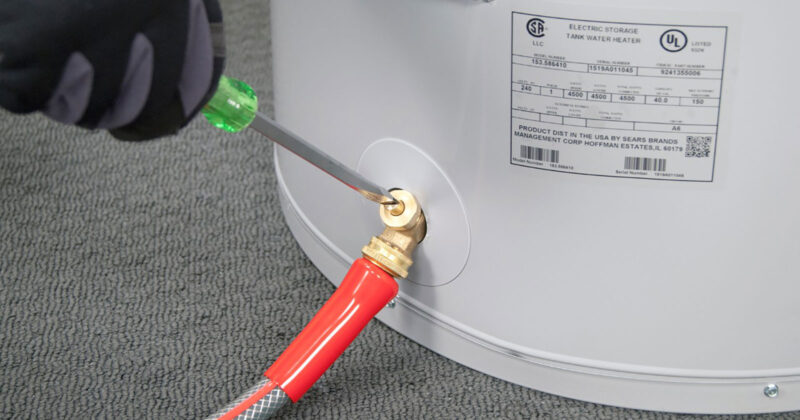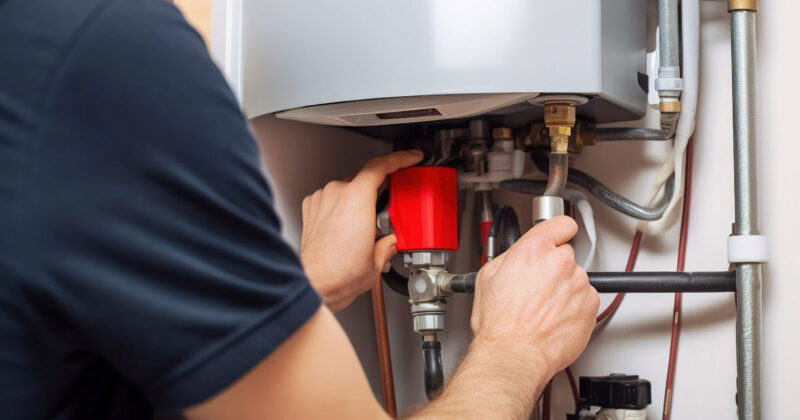

Yes, you usually need a water heater permit in Los Angeles. LADBS, the City of LA’s building department, says replacing a gas water heater in a single-family home needs a plumbing permit. The one exception is a contractor registered with LADBS as a Certified Licensed Contractor, and that only covers a swap for a heater with the same gallons, BTU rating and vent capacity. And every residential water heater in California up to 120 gallons, new or old, has to be strapped for earthquakes.
Here’s what that means when your tank quits and you’re deciding what to put in its place. If you’re already shopping for a replacement, our water heater page covers what we install.
Who Issues a Water Heater Permit in Los Angeles
Los Angeles County has dozens of building departments, not one. Which one you deal with depends on your address.
- City of Los Angeles. LADBS handles it. That includes Valley neighborhoods like Sunland and Van Nuys, and condos and lofts in Downtown Los Angeles.
- Separate cities. Burbank, Glendale, Pasadena and the other incorporated cities run their own building departments with their own fees and forms.
- Unincorporated areas. Places like La Crescenta and Altadena go through LA County Public Works.
Not sure which one you’re in? Your property tax bill or a quick search of your address on the city’s site will tell you. If you hire us, we pull the permit for you when one is needed.
When a Replacement Stops Being Like for Like
That LADBS exception is narrow. It covers a straight swap: same size tank, same burner rating, same venting. A lot of replacements aren’t that.
- Going from a 40-gallon tank to a 50 because the household grew
- Switching to a tankless unit
- Moving the heater to a new spot, like out of a bedroom closet and into the garage
- Changing how it vents
Any of those means you’re not swapping in an equivalent heater anymore. Tankless often adds more work, too, since many units need a bigger gas line than the old tank used. When you’re weighing repair against replacement, our guide to water heater lifespan in LA can help you decide.
What the Earthquake Strap Rule Says
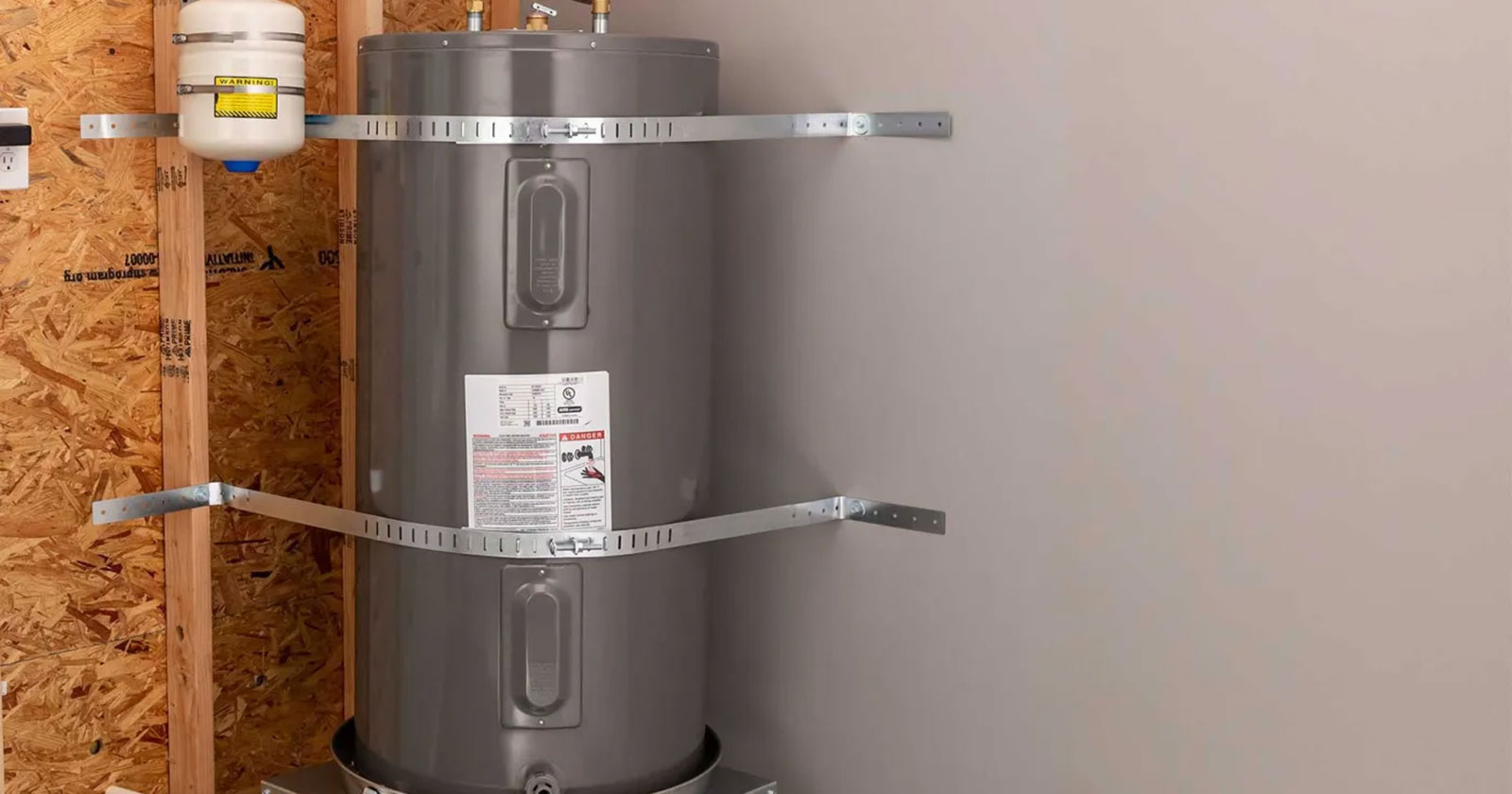
California’s Health and Safety Code section 19211 says all new and replacement water heaters, and all existing residential water heaters, must be braced, anchored or strapped so they won’t fall or shift in an earthquake. That covers heaters up to 120 gallons where a pre-engineered strap kit is available, so it applies to nearly every tank in a house.
The California Plumbing Code, section 507.2, says where the straps go.
- One strap within the upper third of the tank
- One strap within the lower third
- The lower strap at least 4 inches above the controls
Why it matters: a 50-gallon tank full of water weighs more than 400 pounds. In a strong shake, an unstrapped tank can tip, tear the gas line loose and start a fire, or break the water lines and flood the garage.
Go look at your water heater today. You should see two metal straps wrapped around the tank, fastened into the wall behind it, with the bottom one sitting clear of the gas control. A single strap, a strap screwed only into drywall, or no strap at all needs fixing.
Condos, Lofts and Electric Heaters
The strap rule isn’t only for gas tanks in a garage. Section 19211 covers all residential water heaters, so an electric tank in a condo closet needs straps too. In older Downtown and Westside buildings, that closet is often tight, and the straps get left off or loosened when someone squeezes a new tank in.
Condos add one more layer. Your HOA may have its own rules about who can work in the building, when, and whether the heater can drain or vent where the old one did. Check with the HOA before the plumber shows up, not after. And if water from a failing tank is already reaching a unit below, shut off the cold water inlet on top of the heater and call.
Why It Comes Up When You Sell
Section 19211 also says the seller of any home with a water heater has to certify in writing to the buyer that it’s strapped. That certification usually goes into the disclosure paperwork, so your agent will ask about it.
Missing straps are an easy fix before a sale. An unpermitted water heater swap can be harder. Permit history is public record, and in the City of LA it’s searchable on the LADBS site, so a buyer’s side may notice a new water heater with no permit on file. Then you’re getting a permit for work that’s already done, with an inspection on a finished install, in the middle of escrow.
The same law also protects renters. A landlord can’t evict a tenant on the grounds that strapping the water heater requires it, which matters for owners of older rental houses and duplexes.
What an Inspection Looks Like
After a permitted install, a city inspector comes out and looks at the finished work. The straps are part of it, but inspectors look at the whole installation, not just the straps. You or someone you trust needs to be home to let them in, and the work needs to stay uncovered until they’ve signed off.
Don’t install or move a water heater yourself. Gas connections, venting and the relief valve are not homeowner jobs, and a mistake on any of them can be dangerous.
Get It Done Right the First Time
Hard Hat Rooter and Plumbing replaces tank and tankless water heaters across Los Angeles County, pulls permits when the job needs one, and straps every heater we install. Most water heater replacements are done the same day, with a flat-rate price before we start. Call (855) 331-7788.