
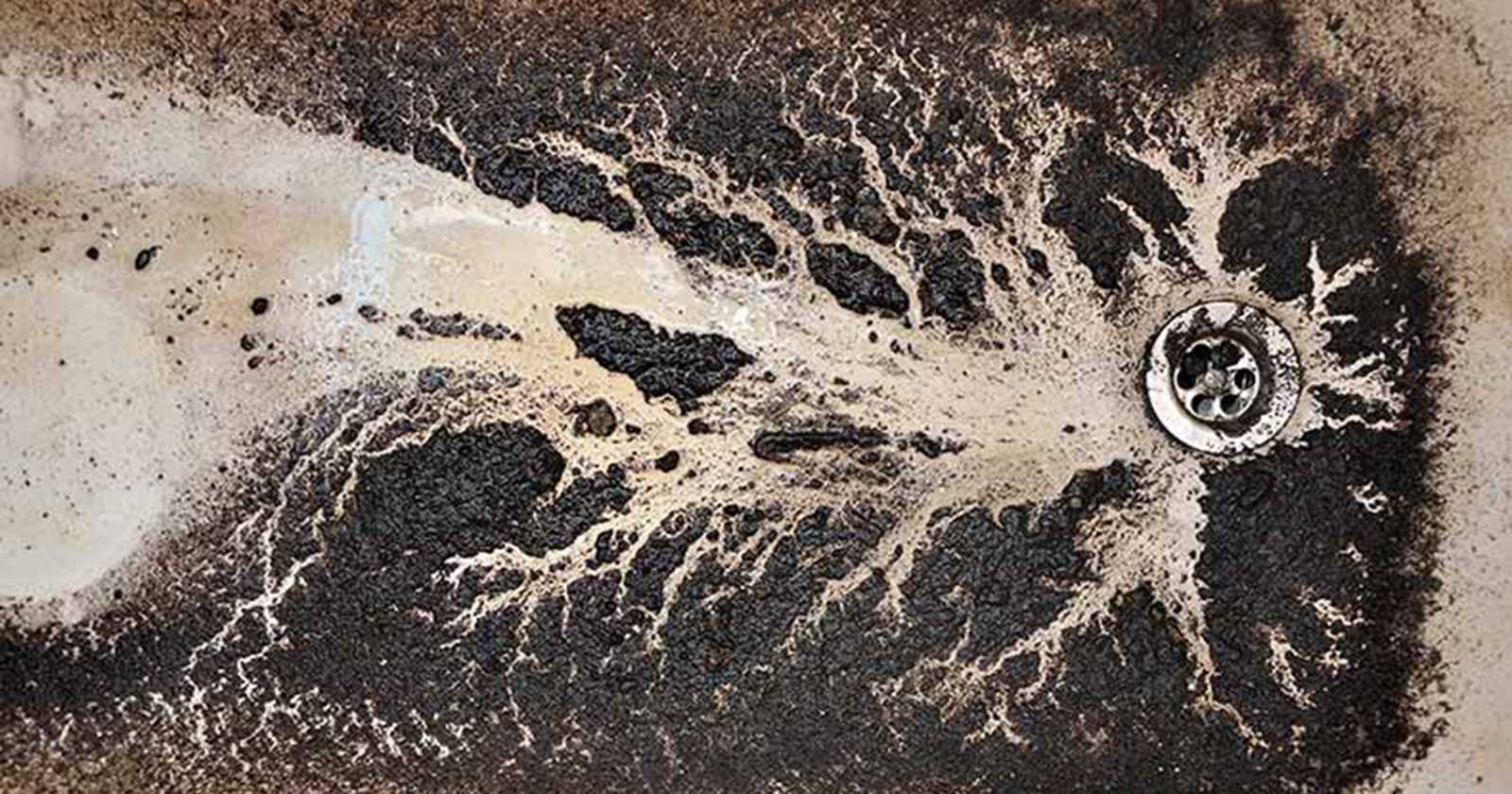
Sewage coming up in the bathtub means the main sewer line is blocked somewhere between the house and the street. The tub is usually the lowest drain in the house, so it’s where wastewater shows up first when it has nowhere else to go. Stop using all water right now: no flushing, no faucets, no washer or dishwasher. Every gallon you send down a drain comes back up in the tub.
Then call a plumber. A main line clog won’t clear itself, and it gets worse every time someone in the house uses water. Our emergency plumbing line answers 24 hours a day.
Do These Things First
- Stop all water use. Tell everyone in the house, including anyone in an attached ADU or back unit on the same sewer line.
- Keep kids and pets out of the bathroom. Raw sewage carries bacteria and viruses.
- Don’t touch it with bare hands. Wear rubber gloves and wash your hands afterward.
- Watch for electrical hazards. If the water is spreading toward outlets, cords or appliances, stay out of it and call for help.
- Take photos of the tub, the floor and anything the water reached. Your insurance company will ask.
That list follows the Connecticut Department of Public Health’s sewage backup fact sheet, which also notes that the most common illnesses from sewage exposure are stomach upset and skin infections. If anyone gets nausea, diarrhea or vomiting afterward, call a doctor.
Why It Comes Up in the Tub
Every drain in the house runs into one main line that leaves the house and runs to the city sewer. When that line is blocked, wastewater backs up until it finds the lowest open drain. In most single-story LA homes that’s the tub or shower. Sometimes it’s a floor drain in the laundry room.
So a toilet flush that bubbles up in the tub isn’t a bathtub problem. It’s a main line problem.
In LA, the cause is usually one of two things. LA Sanitation says more than half of sewer backups come from tree roots and from fats, oils and grease poured down drains. Roots are the big one under older clay lines on tree-lined streets in Arcadia and San Gabriel, where the laterals have had 70 years or more to collect them. Grease is the big one after a holiday dinner, which is why we wrote a whole piece on a kitchen drain clogged after Thanksgiving.
Don’t Pour Chemicals Into a Backed-Up Line
A bottle of drain cleaner won’t reach a clog 40 feet out in the yard. It just sits in the tub with the sewage. Many of these products contain sodium hydroxide (lye), which MedlinePlus lists as a cause of severe burns to the skin and eyes. Now that chemical is in standing water that you, your family, and the plumber have to work around. It can also eat at old cast-iron and clay pipe.
Same goes for plunging. A plunger can’t move a main line clog, and it can splash sewage onto the walls and floor.
The Clean-Out and What We Do There
Most LA houses have a sewer clean-out: a short pipe with a screw cap, usually outside along the foundation or near where the line leaves the house. Some older homes have one under the house in the crawl space, and some have none at all. The clean-out lets a plumber get a cable or jetting hose straight into the main line without pulling a toilet.
Don’t open the cap yourself during a backup. The line behind it is full, and wastewater can come out under pressure. Just make sure the plumber can get to it. Move the potted plants, open the side gate, and tell us where it is if you know.
When we arrive, we clear the line from the clean-out, then run a camera through it to see what caused the clog. Roots, grease, a sagging section, a broken joint: each one needs a different fix, and the camera footage is how you know which one you have. We show you the video and give you a flat-rate price before any work starts.
If the neighbors on your street are backing up too, the clog may be in the city main, not your line. Tell the plumber when you call. It changes who fixes it.
Cleaning Up After the Line Is Clear
Once the water drains and the line is running, the bathroom still needs cleaning. The Connecticut fact sheet gives the basics for a small area like a bathroom.
- Wear gloves, boots and eye protection.
- Wash hard surfaces with detergent first, then disinfect with a bathroom disinfectant or 1 part bleach to 9 parts water, left on for 15 to 20 minutes.
- Never mix bleach with ammonia. It makes a toxic gas.
- Throw out soaked rugs, bath mats and anything porous that can’t go through the washer.
If sewage reached carpet, drywall or a finished room, or sat for more than a day, the same fact sheet says that’s a job for a professional cleanup company. We don’t do water damage restoration, but we document what we found with photos and a written report for your insurance claim.
Stopping the Next One
A line that has backed up once will usually do it again unless the cause gets fixed. Roots grow back into the same cracked joint. Grease builds in the same low spot. If it happened during a storm, read our guide to sewer backup after rain, because rain backups have their own causes.
The fix depends on what the camera shows. Sometimes it’s regular cleaning. Sometimes it’s repairing one bad section. LA Sanitation also points out that in the City of LA, the homeowner is responsible for the whole sewer lateral from the house to the street connection, so that part is on you to maintain.
Call Now if Sewage Is in the Tub
Hard Hat Rooter and Plumbing answers 24 hours a day, 7 days a week, with a live person on the phone and flat-rate pricing quoted before work starts. Stop using water and call (855) 331-7788.