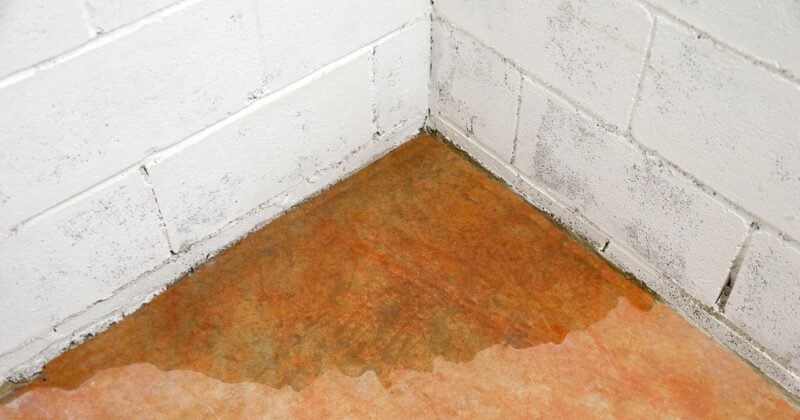

A high water bill but no visible leak usually comes down to one of three things: a toilet running silently, a sprinkler system leaking or overwatering, or a pipe leaking where you can’t see it. The water meter tells you which. The EPA estimates the average household’s leaks waste more than 9,300 gallons a year, and most of that never shows up as a puddle.
The call usually starts with a bill that’s double the last one. The homeowner has checked under every sink, looked at the water heater and walked the yard. Everything’s dry.
Dry doesn’t mean no leak.
It just means the water is going somewhere you can’t see, like down a toilet drain, into the soil, or under the floor. Here’s the order we’d check things in, easiest and most likely first, ending where our leak detection service takes over.
Rule Out the Bill Itself
Before hunting for a leak, make sure the bill reflects a real jump in use. Compare it to the same billing period last year, not just last month. East Bay MUD’s high-bill guidance makes the same point and adds that your meter should read a bit higher than the bill, since you’ve kept using water since it was read.
Then ask what changed. A new lawn being watered, a pool being filled, houseguests, a family member home all day, or a sprinkler timer reset after a power outage can all raise usage with nothing broken. Summer bills run higher across LA County because landscapes drink more in the heat.
If none of that explains it, move to the meter.
How to Check Your Water Meter for a Leak
The meter test takes about two hours and tells you for certain whether water is leaving the pipes when nobody is using it.
- Turn everything off. Faucets, toilets, the washer, the dishwasher, the ice maker, the sprinklers and any water softener.
- Find the meter and read it. In LADWP and Burbank Water and Power areas it’s usually in a concrete box near the curb. Many meters have a small triangle or dial that spins with even a slow leak. Write down the numbers or take a photo.
- Wait two hours without using water, then read it again. If it changed at all, the EPA says you probably have a leak.
- Close the main shutoff at the house and watch again. If the meter still moves, the leak is outside the house, in the line from the meter or in the irrigation.
A meter that doesn’t move means the plumbing is tight, and the high bill came from use or a billing issue. A meter that moves gives you somewhere to look.
Read the meter at bedtime and again first thing in the morning before anyone uses water. Eight quiet hours will catch a slow leak that a two-hour test can miss.
Toilets Are the Usual Suspect
A running toilet is the most common hidden leak we find, and it’s easy to test. Put a few drops of food coloring in the tank, wait 10 minutes without flushing, and look in the bowl. If color shows up, water is leaking past the flapper. Flush afterward so the dye doesn’t stain the tank, per the EPA’s leak checklist.
A worn flapper is a cheap part, and replacing one is a fair DIY job. The other common culprit is a fill valve set too high, so water spills into the overflow tube all day. You can sometimes hear it as a faint hiss. Check every toilet in the house, including the one in the back bathroom nobody uses.
Sprinklers and the Line to the Street
If the meter kept moving with the house shutoff closed, the leak is outside. Irrigation is the usual source. A valve that doesn’t fully close weeps into the soil around the clock, and a broken head can run every cycle without anyone noticing. Look for a soggy patch, a spot of grass greener than the rest, or water in a valve box.
The other outdoor suspect is the service line from the meter to the house. On older homes and big lots that line can be long. A leak there shows up as a wet spot along its path, or no sign at all in sandy soil.
So turn the irrigation off at its own valve and test again. If the meter stops, it’s the sprinklers. If it doesn’t, the service line is next.
When the Meter Still Moves Inside
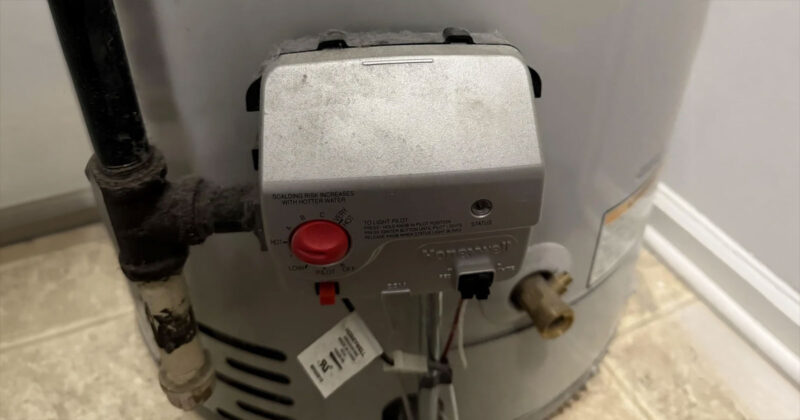
If the toilets pass and the meter stops when you close the house shutoff, the leak is inside the house and hidden. That usually means a pipe in a wall, a supply line under the floor, or a fixture you haven’t checked. One easy miss is a water heater relief valve dripping quietly into a drain line. A dripping water heater relief valve needs a plumber, because that valve is a safety part.
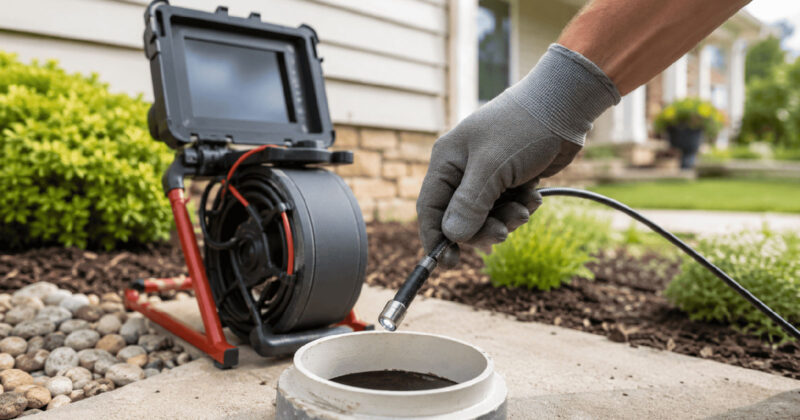
In a house on a concrete slab, a warm spot on the floor plus a high bill points to a slab leak. In an older house with galvanized pipe, a pinhole inside a wall is common. Either way, we use electronic listening equipment and thermal imaging to find the leak to within a foot or two, so nobody opens the wrong wall. In older Burbank homes on aging supply lines, that’s often where a mystery bill ends up.
Will LADWP Adjust the Bill?
LADWP may adjust a bill for an underground leak that has been repaired, but not for most other leaks. LADWP’s adjustment policy says leaking sprinklers, water heaters, faucets, toilets and pool equipment don’t qualify, the request has to be made within 12 months, and the utility’s Field Investigations Unit decides who qualifies. LADWP doesn’t repair leaks on private property, so the fix is on the owner.
Keep the plumber’s invoice and photos of the repair. Burbank Water and Power, Glendale Water and Power and other city utilities set their own rules, so call yours before you assume either way.
But don’t wait on the paperwork to make the repair. Every day the meter turns is billed water.
When to Call a Plumber
Call when the meter moves and the toilets pass, when you see a soggy patch you can’t trace, or when the bill keeps climbing after a flapper swap. Hard Hat Rooter and Plumbing finds hidden leaks across Los Angeles County with a flat-rate price before any work starts. Call (855) 331-7788 any time, and check our current coupons first.