
The most common signs of a slab leak are a warm spot on the floor, a water bill that jumps for no reason, and the sound of running water when every tap is off. You can confirm it yourself with the water meter. The EPA’s leak guidance says to read the meter before and after a two-hour stretch with no water use, and if it moves at all, you probably have a leak.
The call usually starts with the floor. Someone walks across the kitchen barefoot and finds a patch of tile that’s warm when it shouldn’t be. Or the dog keeps lying in the same spot in the hallway. A week later the water bill comes in high, and nobody can find a drip anywhere.
That combination almost always means a supply line under the concrete. And it adds up. The same EPA page says 9% of homes have leaks that waste 50 gallons or more a day.
What a Slab Leak Is
A slab leak is a leak in a water line that runs under or through a home’s concrete foundation. Houses built slab-on-grade, poured right on the ground with no crawl space, carry their supply pipes in the soil under the floor or in the concrete itself. When one of those pipes leaks, you can’t see it, and the water has nowhere obvious to go.
Plenty of LA County homes are built this way. The 1950s and 1960s tracts in the Valley, including the older blocks of San Fernando, sit on slabs, and so do the tracts across the Santa Clarita Valley. In Valencia’s slab-foundation neighborhoods, a slab leak is the call we get most.
Pipes under a slab leak for a few reasons, including wear where the pipe rubs against concrete or gravel, corrosion over decades, a fitting buried under the floor, or the ground shifting. The cause matters less than finding the spot, and that’s the job of our leak detection and repiping service.
The Signs of a Slab Leak
These are the signs of a slab leak we hear about on almost every call, roughly in the order people notice them.
- A warm spot on the floor. A leak on the hot water line heats the slab above it. Tile, wood and laminate show it best.
- A higher water bill with no visible leak. A slab leak runs all day and night, so the bill climbs even when nothing in the house has changed.
- Running water you can hear. In a quiet house with everything off, you may hear a hiss or a trickle near the floor or in a wall.
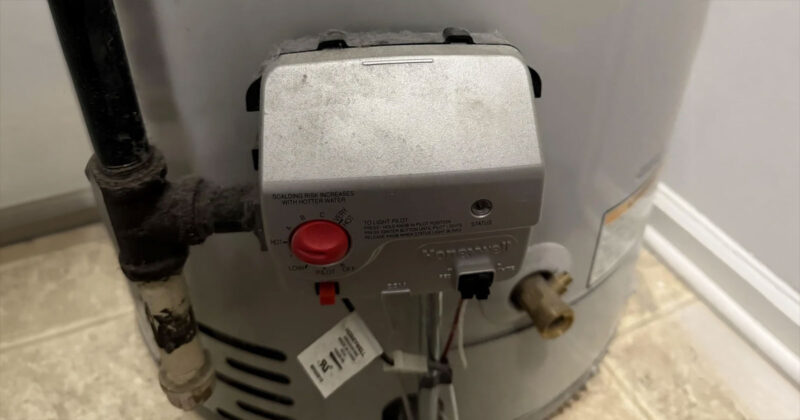
- A water heater that runs constantly. If the hot line is leaking, the heater keeps refilling and reheating. A gas bill that rises along with the water bill is a clue.
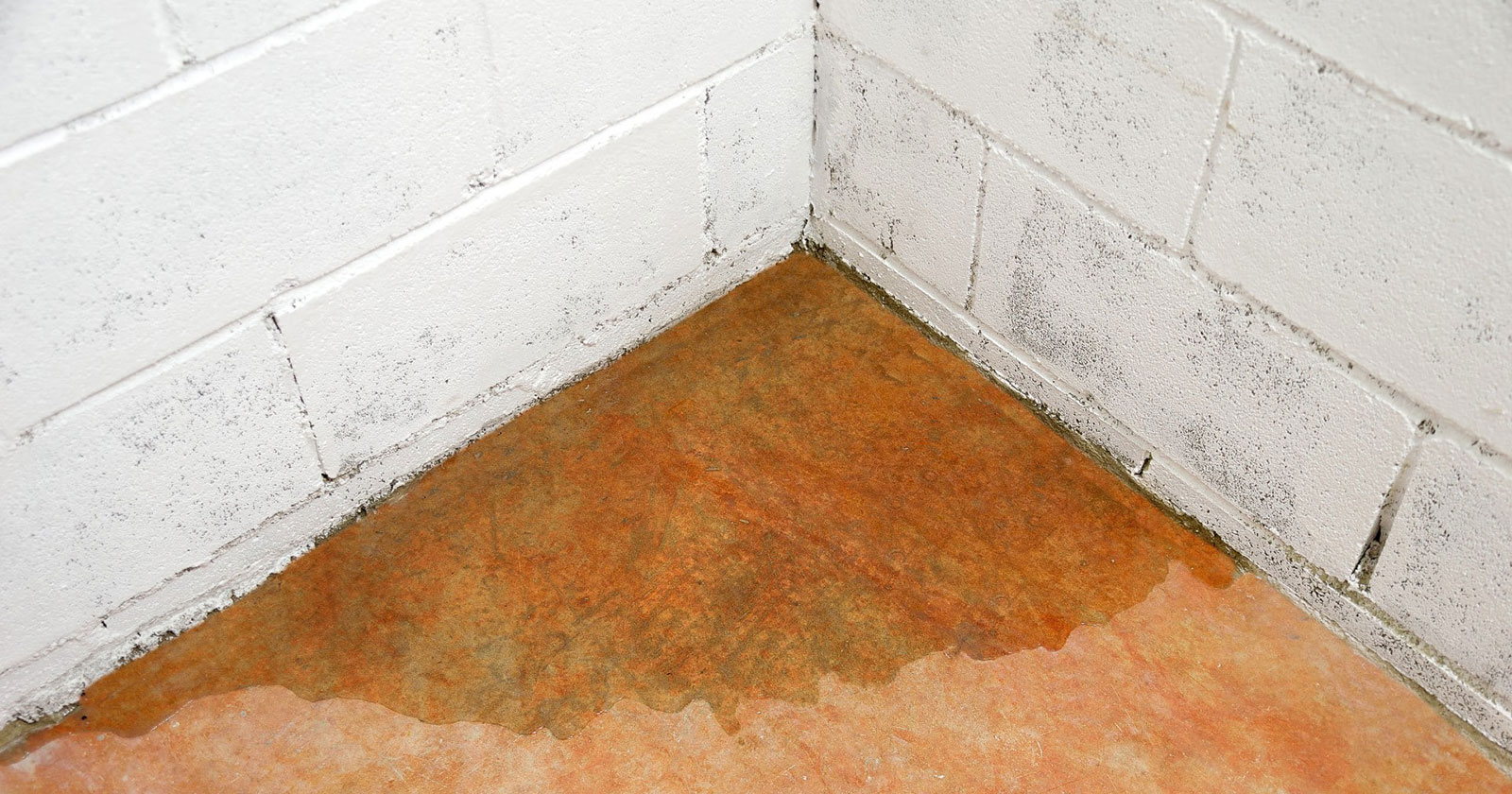
- Damp carpet, lifted flooring or a musty smell. Water that can’t drain away eventually comes up through the flooring or along a baseboard.
- Low pressure at one end of the house. A large leak steals pressure from the fixtures past it.
One sign alone can have other causes. A running toilet raises a bill too. Two or three together, especially a warm floor plus a high bill, deserve a meter test.
How to Check the Water Meter Today
You can check for a hidden leak in about two hours with the water meter and the shutoff valves.
- Turn off every fixture. Faucets, toilets, the washer, the dishwasher, the ice maker and the sprinklers. Make sure nobody runs water during the test.
- Read the meter. It’s usually in a box near the curb. Many meters have a small triangle or dial that spins with even a tiny flow. Write down the numbers.
- Wait two hours and read it again. Any change means water is going somewhere. If the toilets are the suspect, the same EPA page covers a food coloring test for the tank.
- Close the main shutoff at the house and watch the meter. If it still moves, the leak is in the line between the meter and the house or in the irrigation, not under the slab.
- Open the main, then close the cold water valve on top of the water heater. If the meter stops, the leak is on the hot side, which matches a warm spot on the floor.
So the meter tells you whether there’s a leak, and the valves tell you roughly where. That’s real information to have when you call.
Bring your meter readings and the result of the water heater valve test to the call. Knowing the leak is on the hot side can cut the search in half before any equipment comes off the truck.
How We Find It Without Breaking the Floor
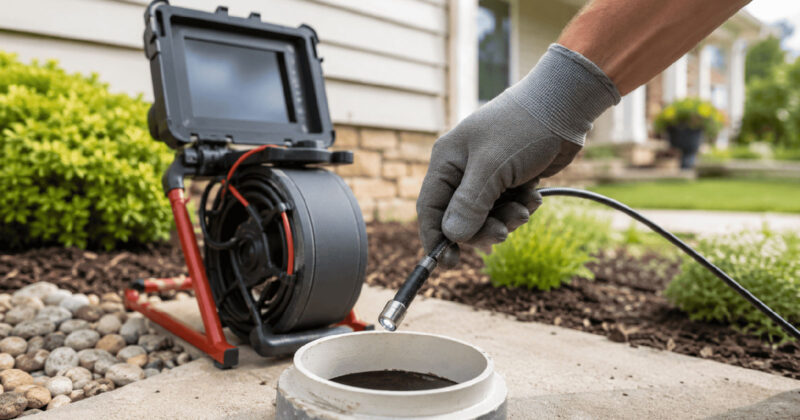
We find a slab leak with electronic leak detection and thermal imaging, and we pin it down to within a foot or two before anyone touches the concrete. The listening equipment picks up the sound of water escaping under pressure, and a thermal camera shows where a hot line is warming the slab.
That accuracy matters. Guessing means breaking tile in the wrong room. We mark the spot, show you what we found and gives you a flat-rate price for each repair option before any work starts.
Repair Options From Spot Fix to Reroute
There are three ways to fix a slab leak, and the right one depends on the age of the pipe, how many leaks the house has had and what’s on the floor above it.
| Option | What it involves | When it makes sense |
|---|---|---|
| Spot repair | Open the floor at the leak, repair that section, patch the slab | First leak, pipe otherwise in good shape, easy-to-replace flooring |
| Reroute | Abandon the leaking line and run new pipe through walls or the attic | The line runs under expensive flooring, or a second leak is likely |
| Repipe | Replace the supply lines throughout the house in copper or PEX | Repeat leaks, old pipe everywhere, low pressure too |
A first leak on a pipe that otherwise looks fine is often a spot repair. But a second slab leak in a few years usually means the rest of the line is the same age and wear, and rerouting costs less than chasing leaks one floor tile at a time.
Call your insurance agent before work starts. Policies differ on what they cover, and we document the job with photos and a written report for the claim.
When to Call a Plumber
Call once the meter test shows a leak, or right away if water is coming up through the floor, the flooring is buckling, or the warm spot keeps growing. If water is pooling, close the main shutoff and use our 24-hour emergency plumbing line. Don’t wait on a damp floor either. California’s public health department notes that dampness is what lets mold grow indoors, and leaking pipes are one of the main sources.
Hard Hat Rooter and Plumbing finds and fixes slab leaks across Los Angeles County, with a flat-rate price before any work and a one-year warranty on parts and labor. Call (855) 331-7788 any time, and check our current coupons before you do.