
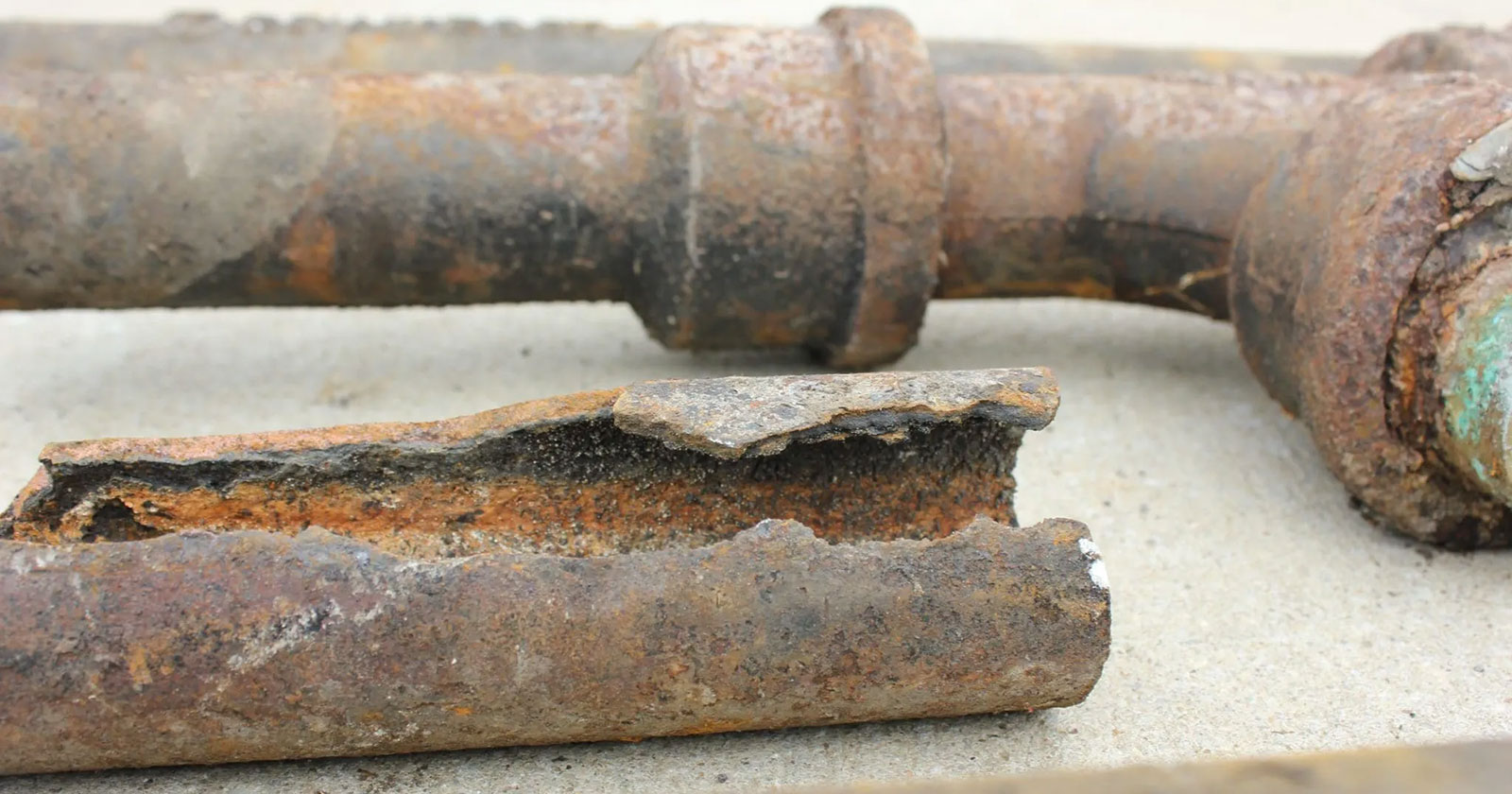
The most common cast iron drain pipe problems are rust scale that narrows the pipe, cracks, and corrosion that eats through the pipe wall from the inside. You usually find out from the symptoms first: drains that clog again a few months after they’re cleared, a sewer smell with no obvious source, or a damp spot or stain near a drain line. Cast iron rots from the inside out, so it can look solid from the outside while it’s failing.
A lot of LA homes still have it. Cast iron was the standard drain pipe in houses built from the 1920s through the 1960s, including the slab-on-grade tract homes that fill the San Fernando Valley. Most of what we do on these lines falls under our drain and sewer work: clearing, camera inspection and replacement.
How Cast Iron Fails From the Inside
Two things wear cast iron down. The first is the waste itself. An engineering firm that investigates pipe failures explains that decomposing waste releases hydrogen sulfide gas, and bacteria on the damp, exposed surfaces inside the pipe turn it into sulfuric acid. That attacks the upper part of horizontal pipe hardest. The same firm points out that cast iron’s “100-year” reputation came from water supply pipe, not drains, and that sewage is much harder on the metal.
The second is flow. Water, grease and debris run along the bottom of the pipe for decades. Over time the bottom can wear thin or open into a long split. Plumbers call that channel rot.
Meanwhile, rust builds up as a rough scale on the inside walls. Scale catches grease, paper and food, and that’s why a cast iron kitchen line can need clearing every few months even when nobody is doing anything wrong. Our article on a kitchen drain clogged after Thanksgiving shows how fast grease builds up on a rough pipe.
Signs of Cast Iron Drain Pipe Problems
- The same drain clogs again within months of being cleared
- A sewer smell in a bathroom, closet or hallway with no visible cause
- Gurgling from one fixture when another drains
- Rust stains, damp spots or a crack on exposed pipe in the crawl space or garage
- Damp flooring, a musty smell, or a crack in the slab near a drain line
The HAWA engineers note that the first sign of failure is more often a sewer gas smell than a drip.
Why Slab Homes Have It Worse
In a raised-foundation bungalow, you can crawl under the house and see the drains. In a slab-on-grade house, they’re buried in the soil under the concrete, out of sight and out of reach. A Florida home inspection company notes that cast iron was once said to last 50 years, but under slab-on-grade homes its life can be as short as 25.
That’s most of the 1940s and 50s tract housing in Van Nuys and North Hollywood, built with cast iron drains that are now 70 years old. And a regular home inspection won’t catch it. The InterNACHI standards of practice say a home inspection will not identify concealed or latent defects, which is exactly where under-slab cast iron lives.
The Camera Tells the Story
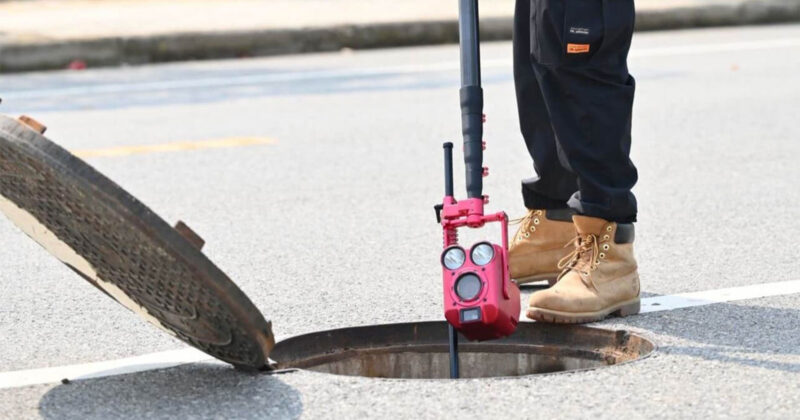
There’s only one way to know what shape a cast iron line is in: put a camera through it. A video camera inspection shows the scale, the cracks, any channel rot along the bottom, and the joints. We record the footage and show it to you, so you’re deciding based on what’s in the pipe, not on its age.
Sometimes the camera shows heavy scale on a pipe that’s still structurally sound. Sometimes it shows the bottom of the pipe is gone. Those two lines need very different fixes.
If you’re buying a house built before 1970, ask for a camera inspection of the main drain before you close. A slab house with failing cast iron is a repair you want to know about while you can still negotiate.
Descaling, Lining or Replacing
Here’s an honest comparison of the three options.
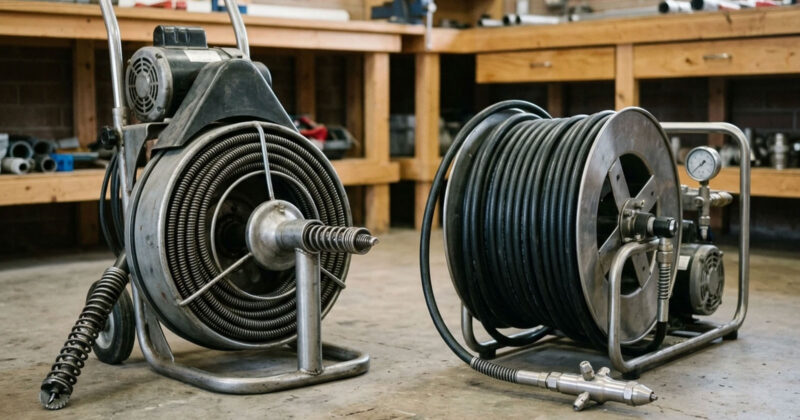
- Descaling and hydro jetting. High-pressure water strips scale and grease off the inside walls and restores the full opening. It works well on pipe that’s rough but sound. It doesn’t fix cracks or holes, and on very thin pipe it can open up a weak spot that was about to fail anyway, which is why we camera first.
- Lining. A new pipe is formed inside the old one with resin. It avoids cutting the slab, but it needs a pipe solid enough to line and clean enough to bond to. We don’t do lining ourselves. If the camera shows your line is a good candidate, we’ll tell you so.
- Replacement. The failed section, or the whole run, comes out and modern pipe goes in. Under a slab that can mean cutting the floor or rerouting through walls or the attic. It’s the most work, and the only fix when the pipe has holes, collapsed sections or channel rot along long stretches.
Most homes end up with some mix: jet the sound sections, replace the failed ones. We give you a flat-rate price for the plan the footage supports.
Buying Time on an Old Line
If the camera says the pipe is rough but sound, a few habits keep it running longer.
- Keep grease, oil and fat out of the kitchen sink. Wipe pans and toss the grease in the trash.
- Use sink strainers and empty them. Food scraps stick to scale.
- Skip chemical drain cleaners. They can damage old pipe, and they don’t reach a clog that’s caught on scale 20 feet down the line.
- Have the line jetted on a schedule if it clogs every year, rather than waiting for the next backup.
None of that fixes a pipe with holes in it. But on a sound line, it can push replacement off for years.
Get Your Cast Iron Checked
Hard Hat Rooter and Plumbing cleans, inspects and replaces cast iron drains across Los Angeles County. If your drains keep clogging or you smell sewer gas, call (855) 331-7788.