
A water heater popping noise almost always means sediment. Minerals from hard water settle in the bottom of the tank, water gets trapped under that layer, and when the burner fires it flashes to steam and bursts through. That’s the pop. It isn’t a warning that the tank is about to explode, but it does mean the heater is working harder than it should, and Rheem lists loud, repeated rumbling and a unit 8 to 12 years old among the signs to have it looked at.
It usually starts small. A tick or two in the garage, then a sound like popcorn when the burner kicks on for the morning showers. Over a few months it turns into a rumble you can hear from the kitchen.
The noise is the heater telling you something. Here’s how to read it.
What a Water Heater Popping Noise Means
A popping noise means there’s a layer of mineral sediment on the bottom of the tank. Calcium and magnesium come out of hard water when it’s heated and settle where the burner meets the tank. Water seeps under that crust, gets superheated against the steel, and pushes up through it as steam. Each bubble is a pop.
On a gas heater you’ll hear it right as the burner lights. On an electric heater the same sediment piles up around the lower heating element, and the sound is more of a crackle or sizzle.
And the sediment itself is the real problem. It acts like insulation between the flame and the water, so the burner runs longer for the same hot water, and the steel at the bottom of the tank runs hotter than it was built to. That’s why noisy tanks tend to be the ones that fail early. If yours has been rumbling for a while, our water heater service starts with a flush and an honest look at how much life the tank has left.
Why LA Water Heaters Get Noisy Sooner
Most of LA County runs hard water, and some of it runs very hard. LADWP’s latest water quality report shows its sources averaging anywhere from about 103 to 236 mg/L of hardness depending on the neighborhood, and the high end is well into what the U.S. Geological Survey calls very hard.
Outside the city, it depends on your utility. In Santa Clarita, SCV Water explains that the hardness comes from calcium and magnesium in local groundwater, and that the water gets harder during droughts, when the agency leans more on wells and less on softer imported water. Out in Agoura Hills, we often see heaters that should last 12 years start rumbling around year 8.
So in this part of the country, a noisy water heater isn’t unusual. It’s just early.
Other Water Heater Noises, Decoded
Not every sound means trouble. Some are normal, a couple need a call today. Here’s how they break down:
| Sound | Usual cause | What to do |
|---|---|---|
| Popping or rumbling | Sediment on the bottom of the tank | Flush the tank; have it checked if it keeps up |
| Ticking or clicking | Heat traps or pipes expanding as they warm | Normal |
| Humming (electric) | Heating elements running | Normal unless it’s loud or new |
| Screeching or whistling | Water squeezing through a restricted valve | Make sure the cold inlet valve is fully open; call if it persists |
| Hissing or sizzling (gas) | Water dripping onto the hot burner, often a leak | Call. Look for water at the base |
| Sizzling (electric) | Sediment around an element, or a leaking element gasket | Turn off the breaker for the heater and call |
If you hear hissing near a gas heater and smell gas, that’s different. Don’t touch any switches. Leave the house and call SoCalGas at 1-800-427-2200 from outside, then call us.
Is a Popping Water Heater Dangerous?
The popping itself isn’t dangerous. Sediment noise on its own isn’t a sign the tank is about to burst. What it tells you is that the bottom of the tank is under extra stress, and that stress is what eventually turns into a leak.
The things to actually worry about are different. Water around the base of the heater. A relief valve on the side that drips or discharges. Hot water that comes out much hotter than usual. Or the smell of gas.
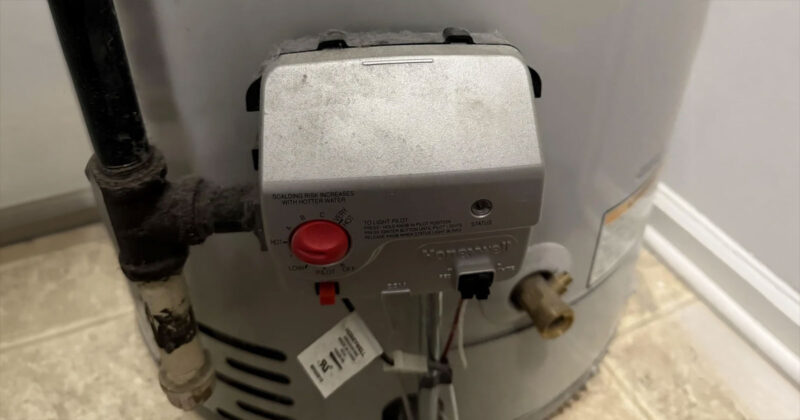
While you’re checking the heater, look at the thermostat. The Consumer Product Safety Commission recommends 120 degrees, which is plenty for showers and dishes and far less likely to scald.
That last part matters more than it sounds. The CPSC’s scald alert notes that water at 140 degrees can cause a third-degree burn in six seconds, and at 150 degrees in two.
What Flushing Can and Can’t Fix
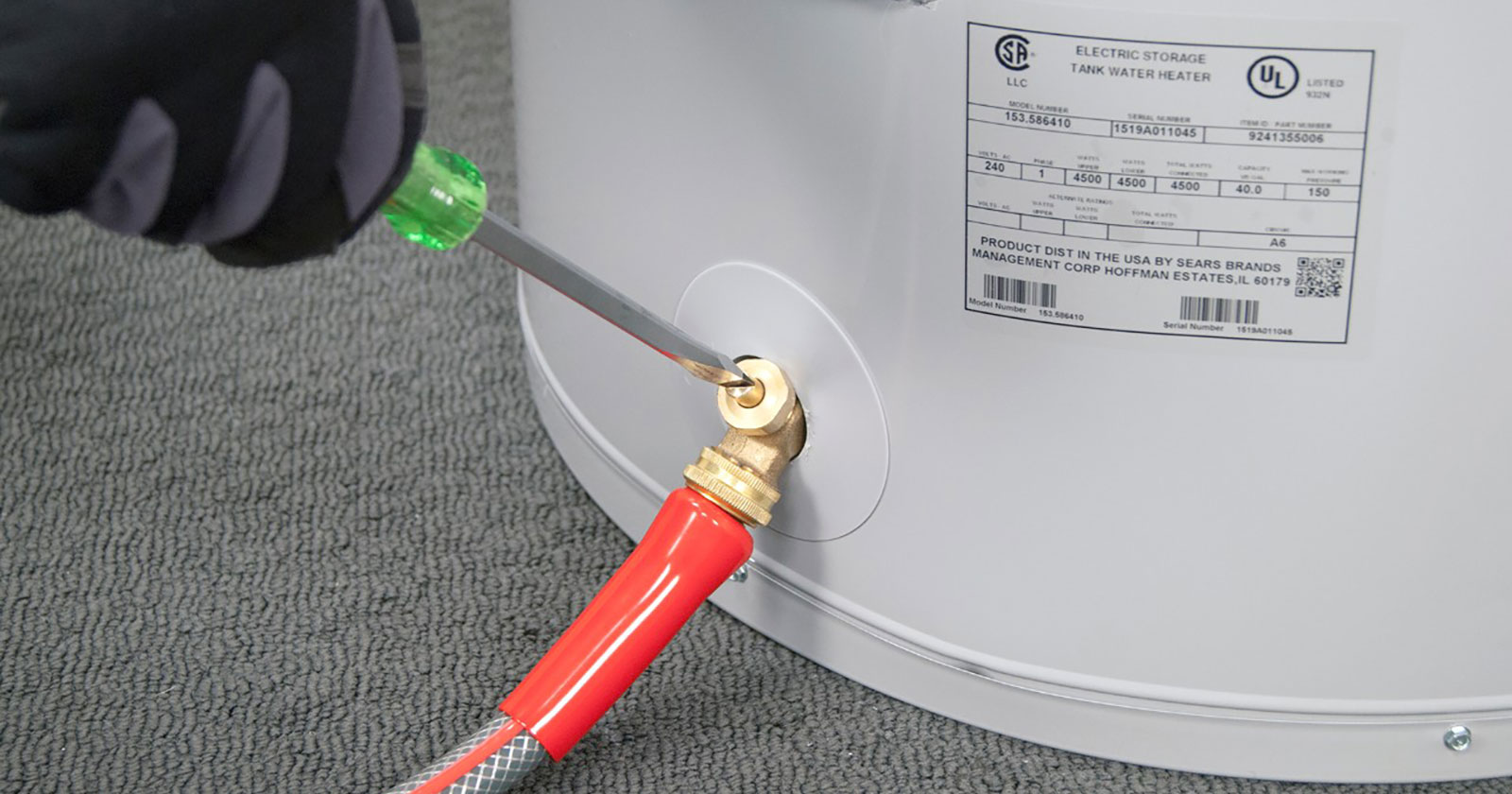
Flushing fixes the noise when the sediment is still loose. You can check what’s in there yourself. Attach a garden hose to the drain valve at the bottom of the tank, run it to a floor drain or out to the yard, and let a few gallons out into a bucket at the end of the hose. Be careful, because that water is hot enough to burn. If it comes out cloudy, gritty or full of white flakes, the tank needs a proper flush.
But a tank that’s been rumbling for years is a different story. Old sediment hardens into a crust that a flush won’t move, and loose chunks can clog the drain valve on the way out. If the noise is still there after a flush, Rheem’s guidance is the same as ours: that usually points to heavy buildup or an aging tank, and it’s time to talk about replacement.
It depends on the age. A heater under about 8 years old that pops is usually worth flushing and keeping. One past 10 to 12 years that still rumbles after a flush is telling you its time is close. Our guide to how long a water heater lasts in LA shows how to read its age from the label.
Quiet It Now or Plan the Replacement
Either way, the noise is a good early warning. It’s a lot cheaper to flush a tank or plan a replacement on your schedule than to deal with a failed tank and a wet garage.
Hard Hat Rooter and Plumbing flushes, descales and replaces tank and tankless heaters across Los Angeles County, and most replacements are done the same day. You get a flat-rate price before any work starts. Call (855) 331-7788, and check our current coupons before you book.